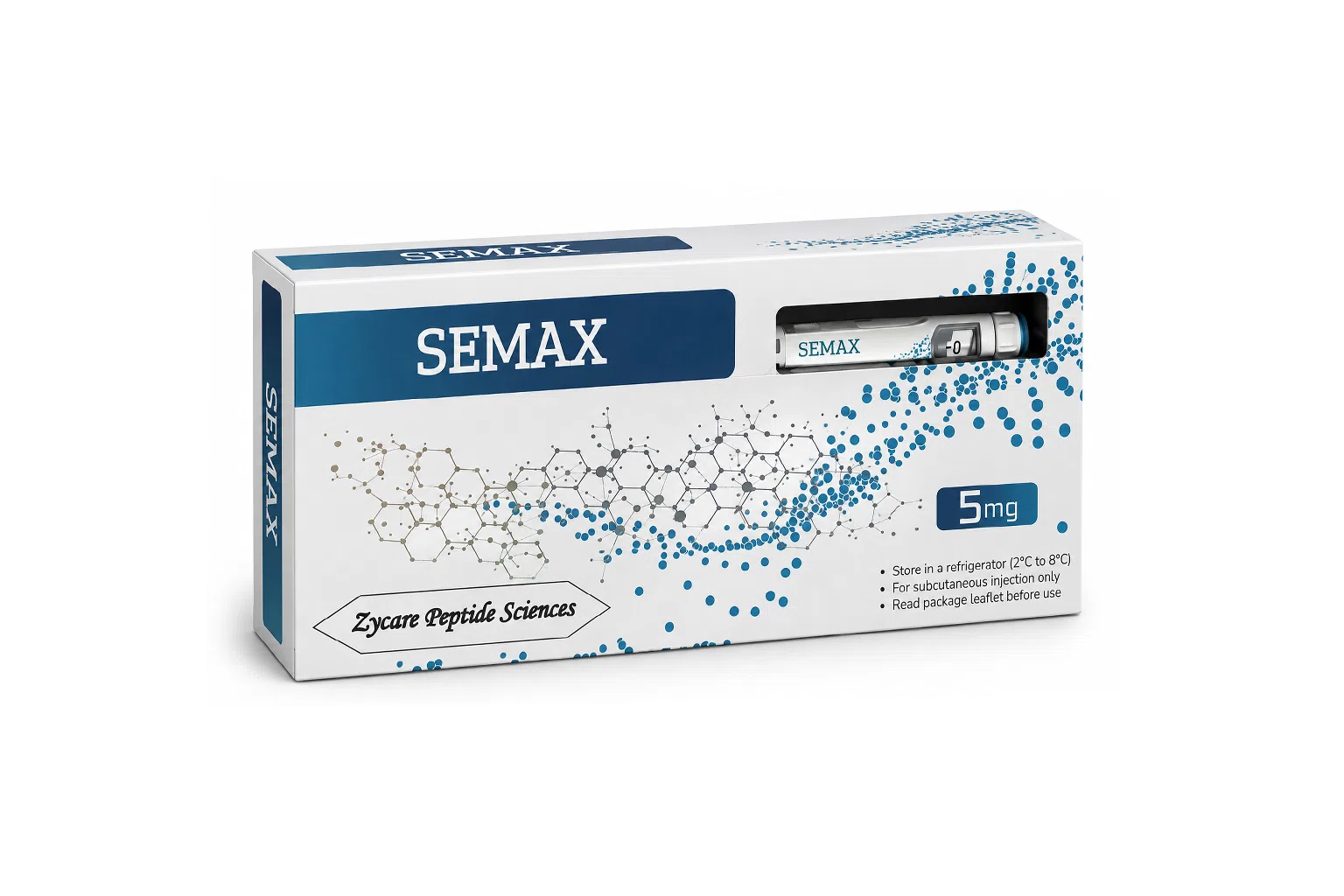
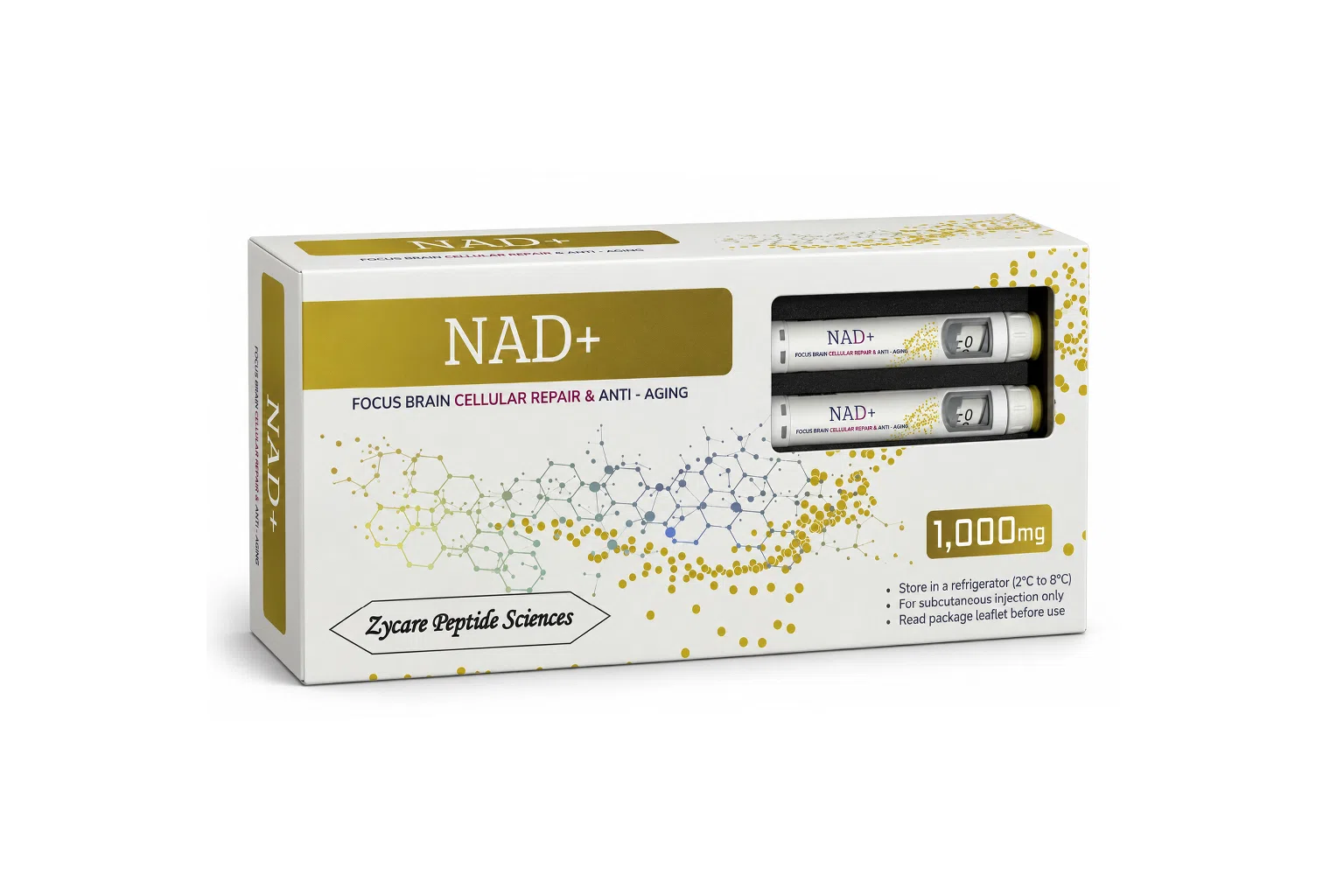
Our Products
Reliable & High Quality Service
Understand Peptide Therapy
Reach your
Biological Ceiling
Peptides are a short chain of amino acid compounds that may function as cellular signaling molecules. They support metabolic function, tissue repair pathways, and dermal matrix regulation. Peptides travel through the blood and extracellular fluid and bind to matching receptors on cell membranes, much like a key fitting a lock. These bindings may trigger intracellular cascades like gene expression, enzyme activation, and hormone release. Cell changes tend to burn fat, make collagen, reduce inflammation and heal tissue. A single peptide typically binds to only one or two receptor types.

Metabolic
Mimic gut hormones GLP-1/GIP/Glucagon
This involves Type-2 Diabetes and Weight Management

Healing/ Repair
Promote angiogenesis, tissue migration
This involves Healing and Repair Tendon, Ligament etc.

Cosmetic/ Dermal
Upregulate collagen, ECM remodeling
This involves Antiaging (Aesthetic) and improving skin texture.

Hormone/ Releasing
Stimulate GH,
IGF-1, Others
This involves dealing with Hypogonadism and Infertility.
How Peptides Work
Next Generation Body Support
Peptides are also known as amino
acid complexes, including:
-
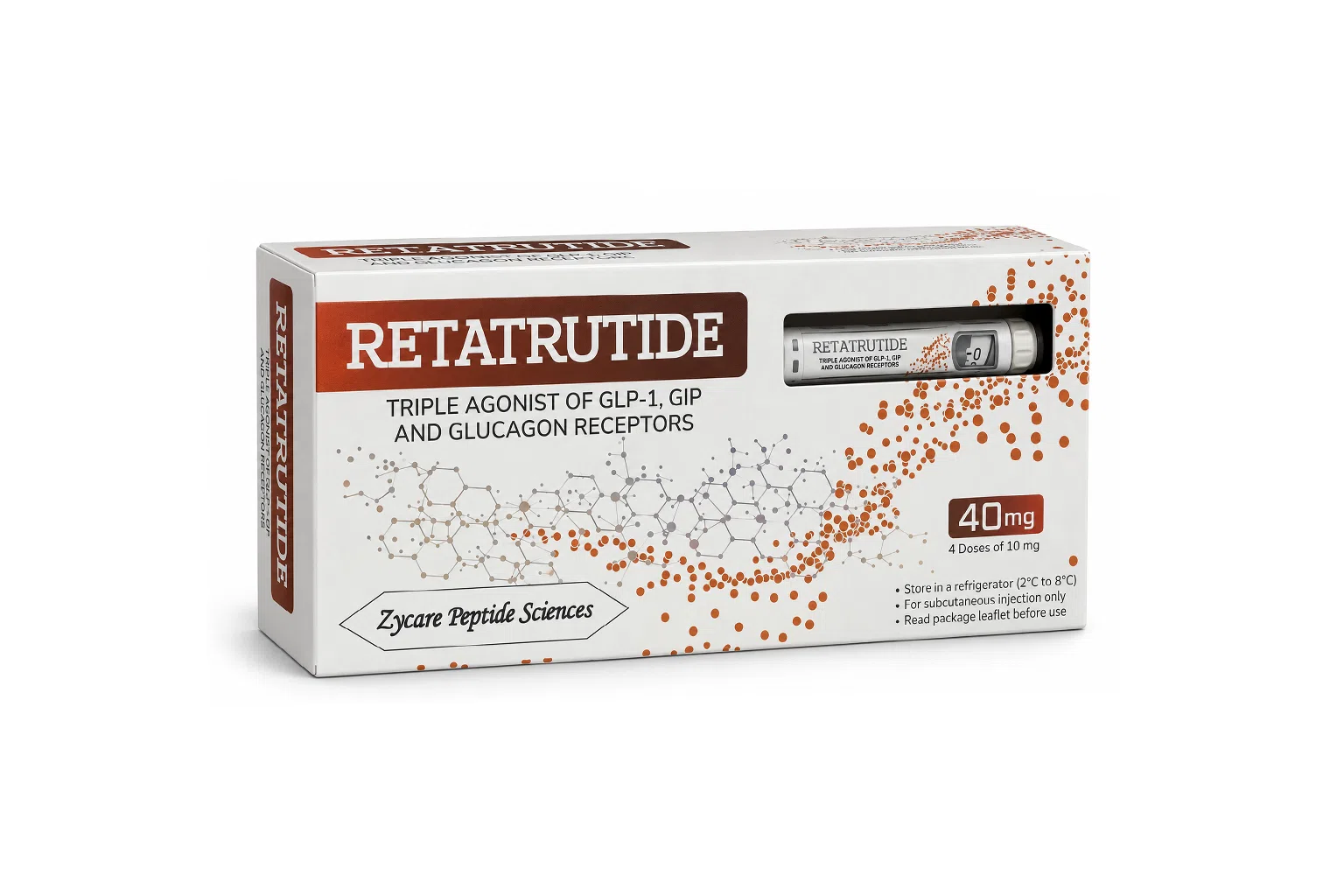
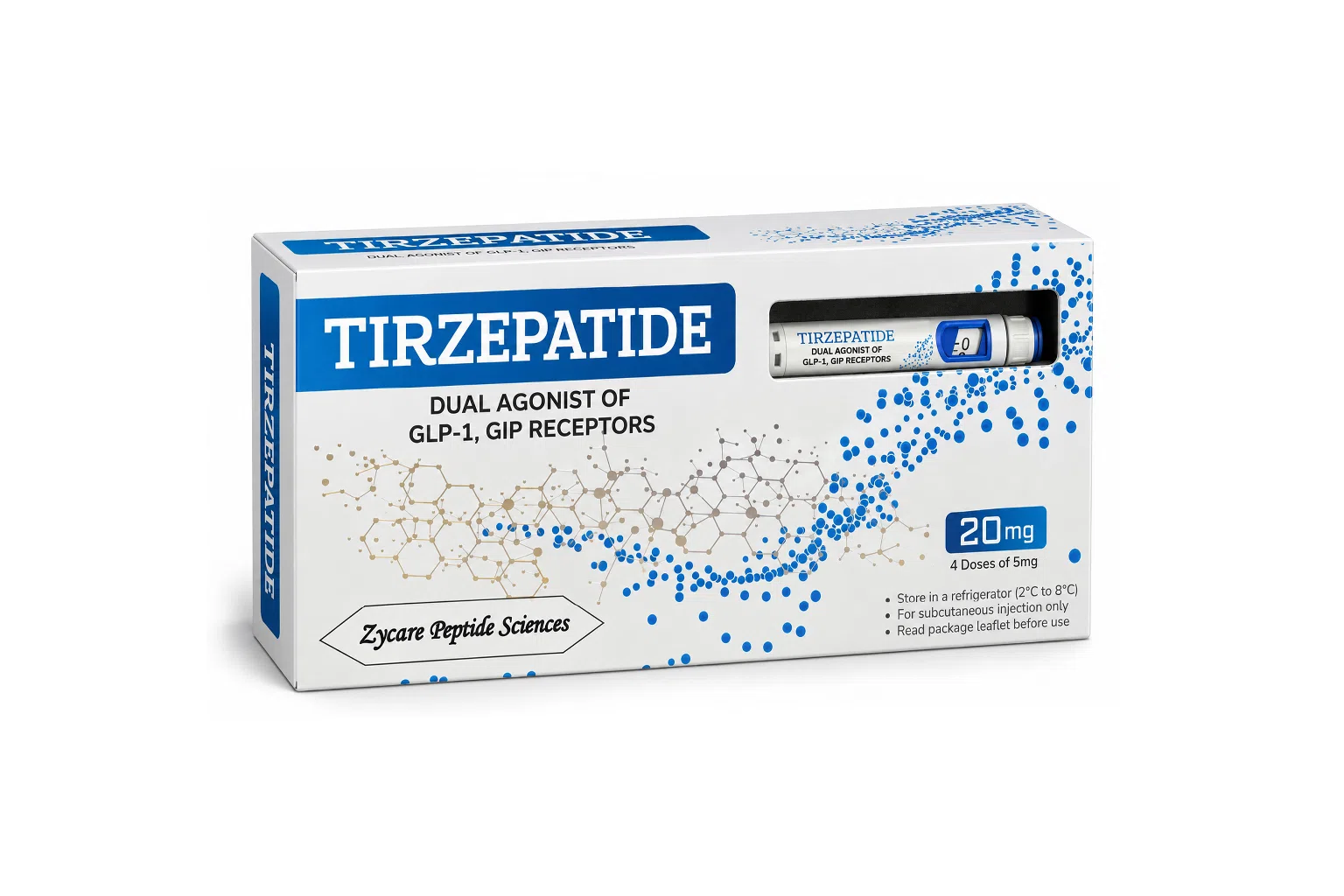
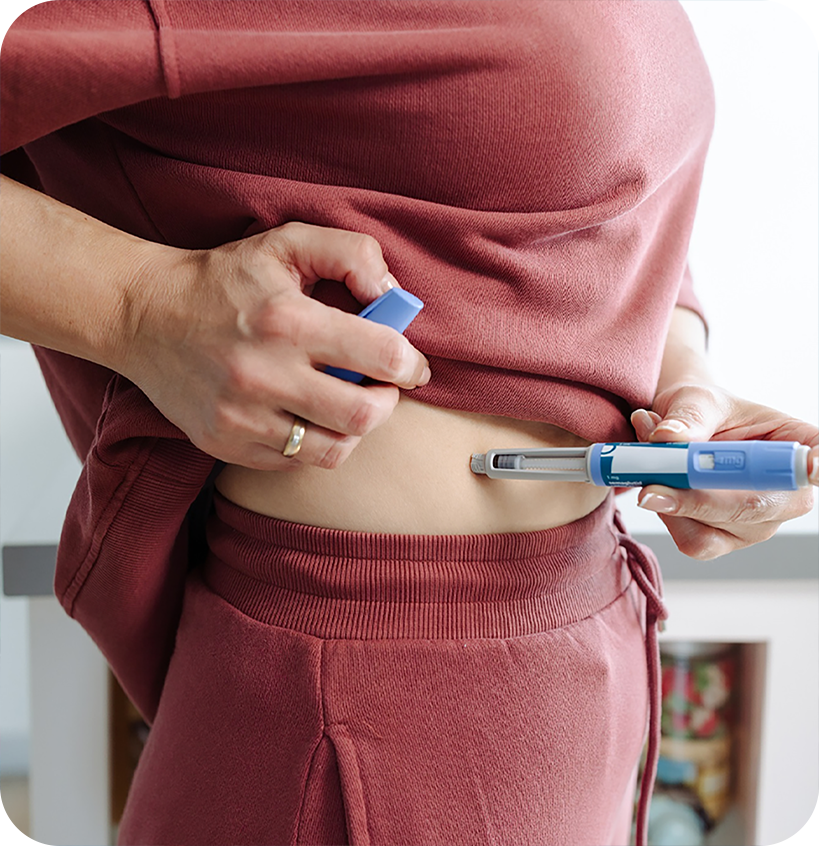
Which is for next-generation peptide support for appetite & Glucose balance i.e., for Weight management and for Type 2 Diabetes.
Medications: Tirzepatide 20 mg, Tirzepatide 40 mg & Retatrutide 20 mg
Working: Peptides that mimic gut hormones, such as GLP-1 agonists, act like the natural hormone GLP-1. They bind GLP-1 receptors in the brain as well as the gut. In the brain, including the hypothalamus, this signaling increases satiety and reduces hunger. These drugs also slow gastric emptying, so food stays in the stomach longer, which prolongs fullness and leads to smaller meals. They also improve blood sugar control: insulin secretion rises when glucose is high, and glucagon release is suppressed. Tirzepatide is a dual agonist that activates both GIP and GLP-1 receptors, and in clinical trials it has produced greater average weight loss than GLP-1-only drugs.
-
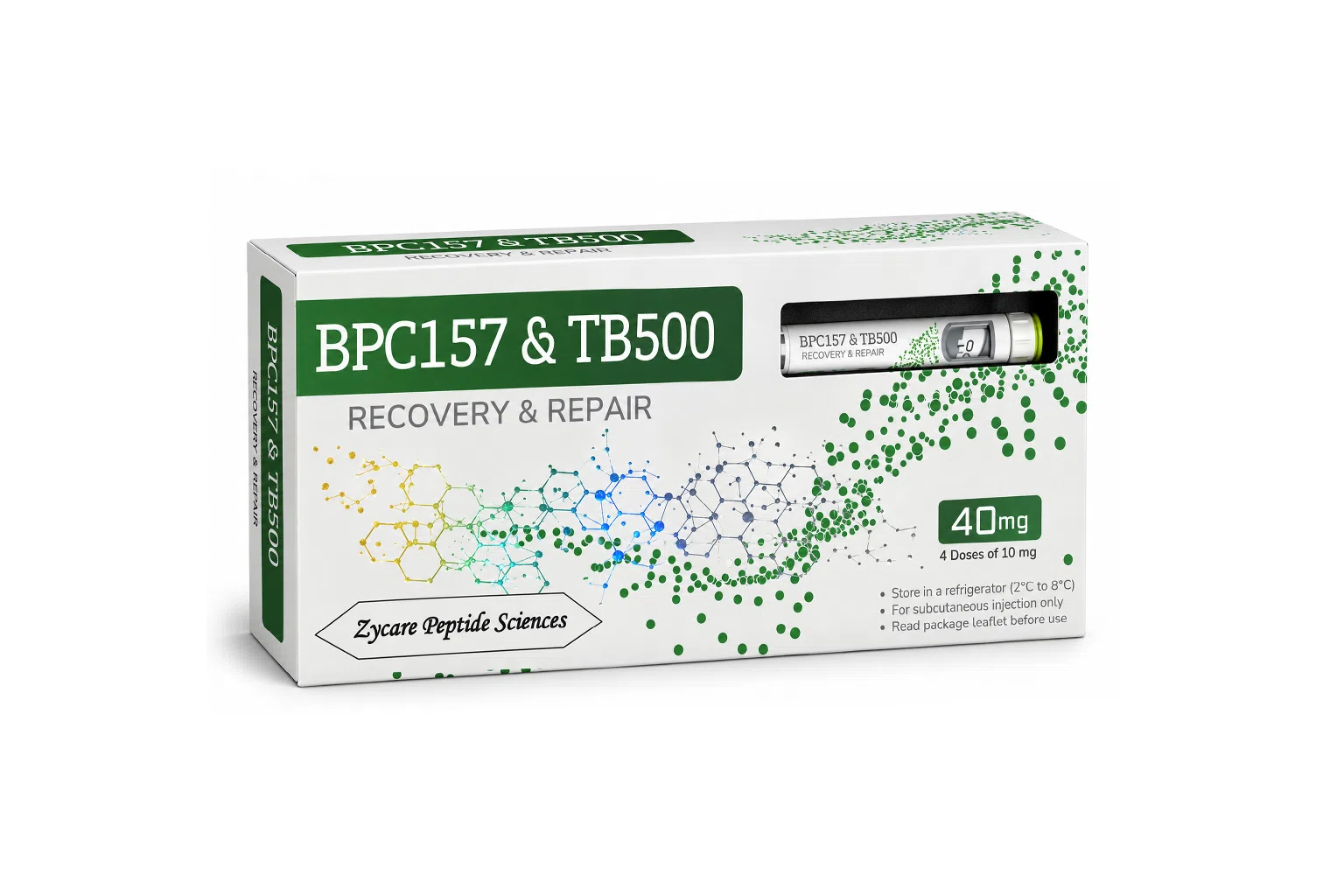
Compounds studied for their potential role in tissue repair, regeneration, and cellular recovery. Research explores how BPC-157 may support the body's natural healing processes and tissue recovery.
Medications: BPC 157 & TB500
Working: BPC-157 and TB-500 are synthetic peptides studied for their potential roles in tissue repair and regeneration. BPC-157 is derived from a protein found in gastric juice and may support the body's natural healing processes. Animal and cell studies suggest it may help support blood vessel formation, cell movement, and tissue recovery. TB-500 is based on a region of thymosin beta-4, a naturally occurring protein involved in cell movement and tissue maintenance. It is being studied for its potential role in tissue repair, remodeling, and inflammation control. Together, these peptides may support different processes involved in healing.
-
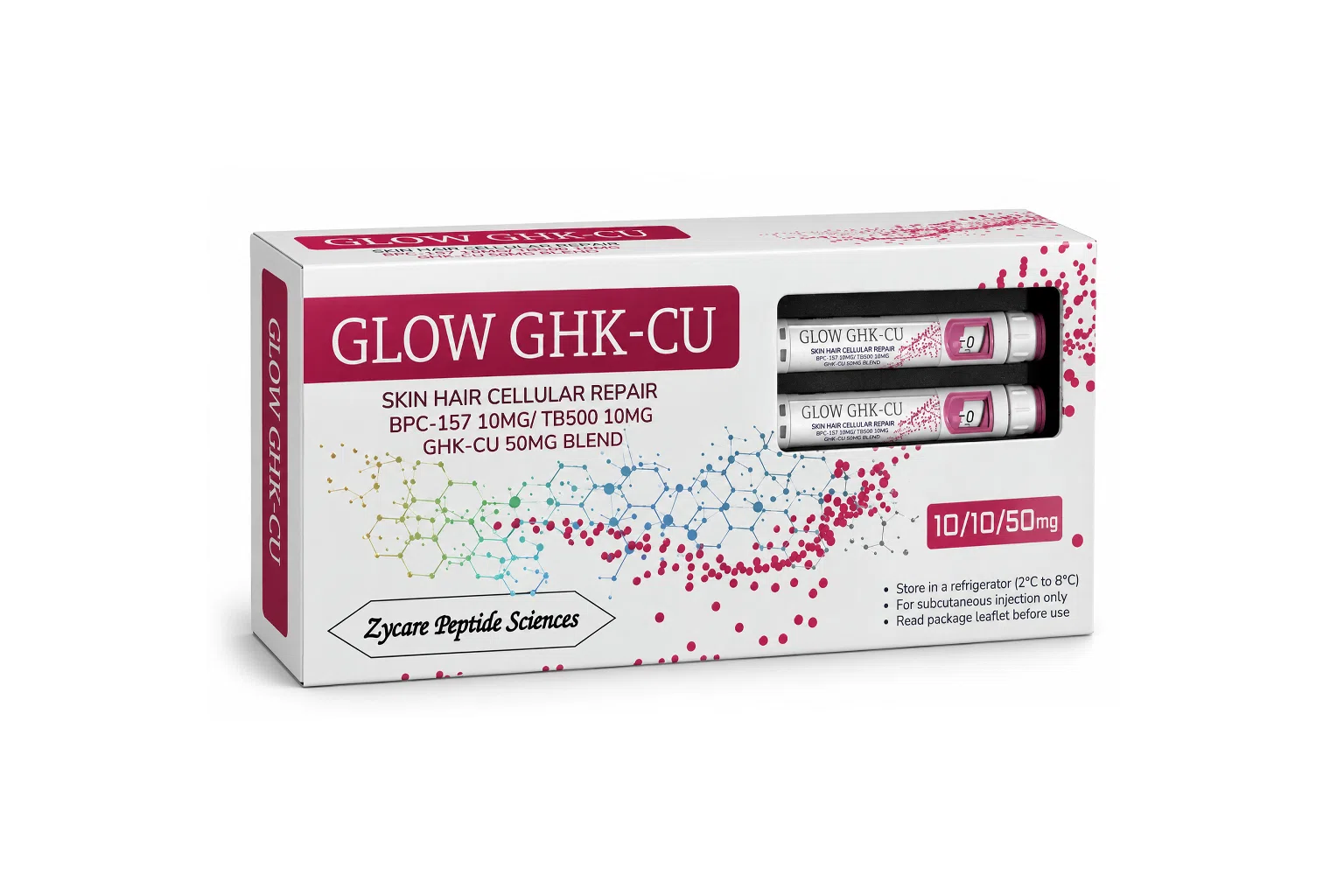
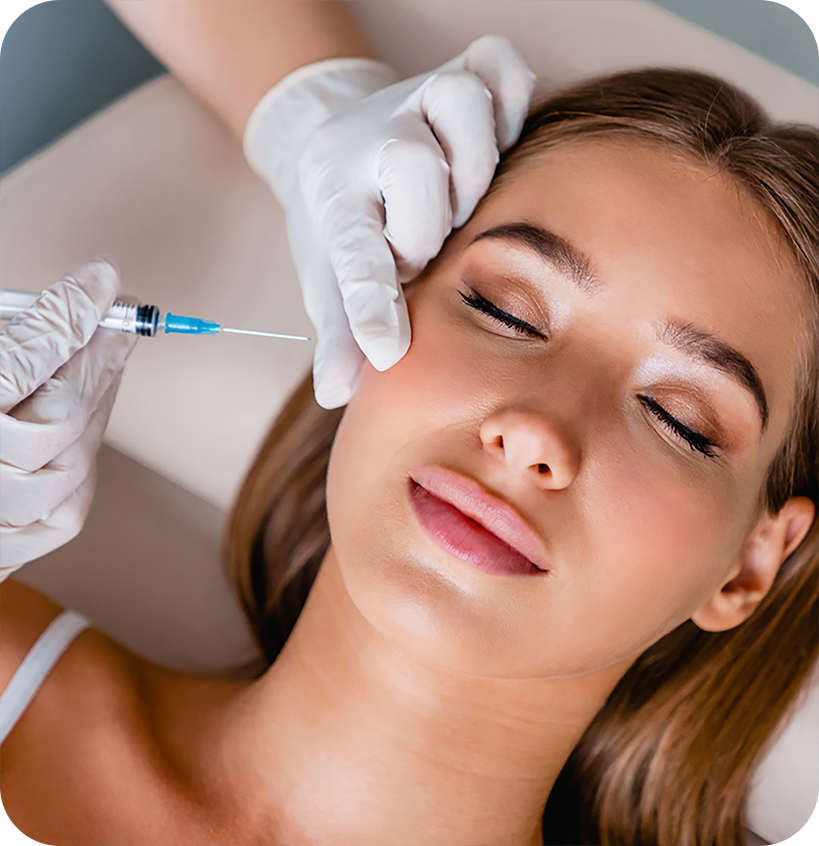
Compounds studied for their role in dermal matrix pathways. Research models explore connections to collagen, elastic and skin remodelling process.
Medications: Glow GHK-CU peptide injection
Working: This works by signal collagen synthesis, matrikines like GHK-Cu and matrixyl act as messengers. They tell fibroblasts to produce more collagen, elastin and GAGs and lead to firmer skin and fewer wrinkles. GHK-Cu binds copper, reduces ROS, upregulates DNA repair genes, reverse gene expression toward younger. Argireline mimics SNAP-25 to block acetylcholine release. This may reduce micro contractions and softens expression lines like topical botox. Oral collagen peptides provide amino acids like glycin, Proline to rebuilt skin matrix.
Contact Us For Verified Pricing
CLIENT REVIEWS
Preferred by thousands
of research & professionals
Read Our Latest
Fresh Insights Into
Peptides
GHK-Cu Peptide: The Science Behind the Glow
The glow peptide seems to be everywhere lately. When people